Case Study: Why Was This Somerset West Restaurant Suddenly Using Almost Double the Gas?

Case Study: Why Was This Somerset West Restaurant Suddenly Using Almost Double the Gas?

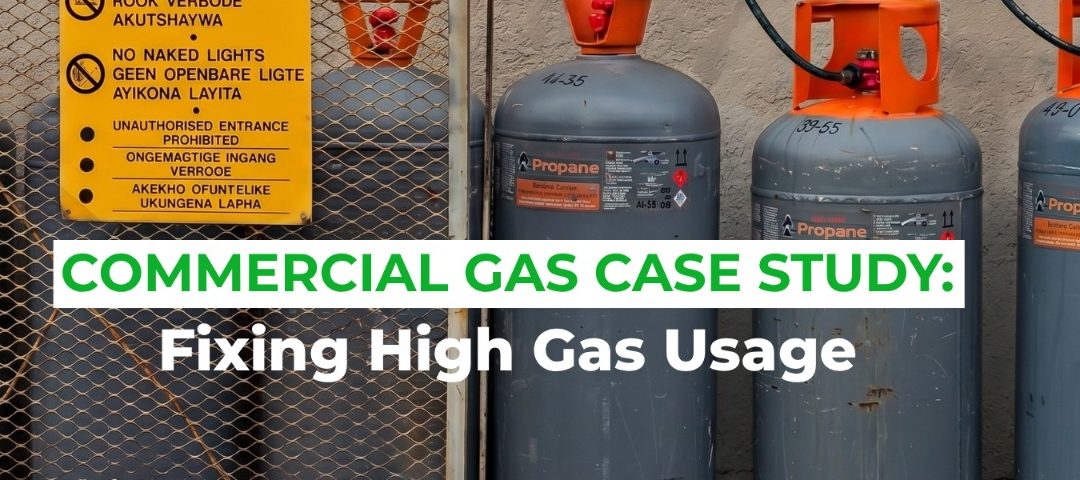
When a commercial kitchen’s gas usage suddenly spikes, it’s rarely a coincidence. One of our restaurant clients in Somerset West experienced exactly that: their weekly consumption jumped from a stable 4 x 48kg cylinders to 6–8 x 48kg cylinders — with no changes to trading hours, menu, or equipment. For a business operating on tight margins, that kind of increase is not just unusual. It’s unsustainable. 

This is the story of how we found the problem, fixed it, and helped them return to normal usage — even better than before.

If you prefer watching instead of reading, there’s also a short video version of this case study available.

What Changed? Why Was Gas Usage Climbing So Quickly?

The first red flag appeared during delivery:
The cylinders were freezing at the base.

Cylinder freezeup is a classic sign of excessive drawoff when appliances demand more gas than the LPG mixture can vaporise at once. When this happens, pressure drops, equipment underperforms, and the system compensates by pulling even harder.

To understand the cause, we conducted a full onsite commercial gas audit.
What Did the Gas Audit Reveal?

The culprit was hiding in plain sight:
The fryer was drawing so much gas on startup that the rest of the kitchen couldn’t reach full operating potential.

Every time the fryer switched on:

  • The system experienced a sudden surge in demand
  • LPG couldn’t vaporise fast enough
  • Cylinders froze
  • Pressure dropped
  • Other appliances struggled
  • Gas usage skyrocketed

This is a common issue in busy commercial kitchens, but it often goes unnoticed until the gas bill doubles.

How Do You Fix a High DrawOff Problem Without Rebuilding the Entire Gas Bank?

Instead of recommending an expensive upgrade to the gas bank or a full kitchen reconfiguration, we applied a smarter, more costeffective solution first:

We switched the restaurant from LPG to pure propane.

Why propane?

  • Propane vaporises more efficiently under heavy load
  • It prevents freezeups during peak demand
  • It delivers consistent pressure for commercial equipment
  • It avoids unnecessary capital expenditure
  • It allows us to test performance before considering structural changes

LPG is a propanebutane mix designed for residential use.
Propane is the better choice for highdemand commercial kitchens that need reliable, highvolume drawoff.

Did It Work? What Happened After Switching to Propane?

After one month on propane, the results were clear:

  • Gas usage stabilised at 3 to 4 x 48kg cylinders per week
  • No more cylinder freezeups
  • All equipment reached full operating potential
  • No downtime, no disruptions, no costly rebuilds

In other words:
They returned to normal and even improved on their original usage.

What If Propane Hadn’t Solved the Problem?

For commercial clients, we follow a structured escalation path:

  1. Commercial gas audit to establish the exact cause.
  2. Switch to propane if it presents to be the best first step for high drawoff issues, or
  3. Increase the size of the gas bank to support higher vaporisation.
  4. Install a commercial vaporiser for largescale, continuous demand.

In this case, propane was the perfect fit – efficient, reliable, and costeffective.

Why Does a Gas Audit Matter for Commercial Kitchens?

Because small issues become expensive problems – fast.

If your restaurant, bakery, hotel, or industrial kitchen is suddenly:

  • Using more gas than usual
  • Experiencing inconsistent flame strength
  • Seeing cylinders freeze
  • Struggling to reach temperature
  • Noticing equipment underperforming

Then something in the system is working harder than it should.

A targeted gas audit can identify the issue quickly, and often the solution is far simpler and cheaper than expected.

Need to Reduce Your Commercial Gas Usage? We Can Help.

Hi Service Gas specialises in diagnosing and resolving commercial LPG challenges across the Western Cape. Whether you’re dealing with high usage, pressure loss, freezeups, or equipment performance issues, we can help you find the problem — and fix it.

Get in touch and let us help you get back to normal.

Hi Service Gas Deliveries: How It All Started with Chef Garth Morton

Hi Service Gas Deliveries: How It All Started with Chef Garth Morton

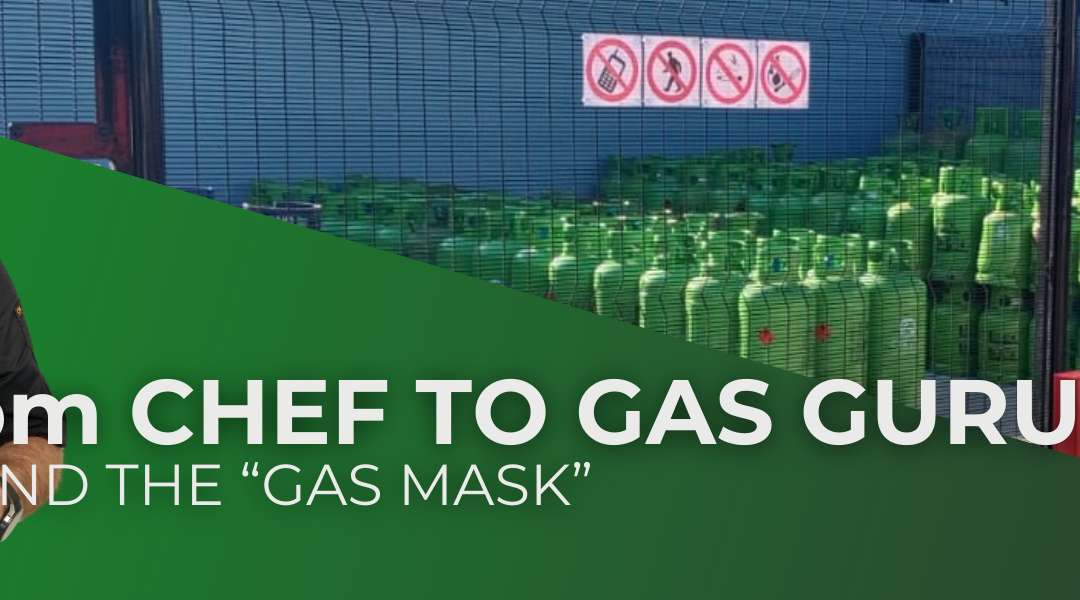
Hi Service Gas is a specialised division of Hi Service Solutions, and our LPG delivery department is headed up by Chef Garth Morton. You might find yourself asking: why would a professional chef who has travelled the world and starred in global reality shows trade the kitchen for gas deliveries?

Stick around to learn more about the man behind the mask—the gas mask, that is! In this post, we explore Garth’s journey from fine dining to the energy sector and provide essential tips on safety, savings, and our unique LPG swap & delivery service.

Who is Chef Garth Morton?

Before spearheading the LPG delivery division at Hi Service Gas, Garth Morton spent years as a prominent professional chef and television personality. 

A Distinguished Culinary Background

Garth’s career is deeply rooted in South African food culture. He served as Head Chef at the historic Jonkershuis in Groot Constantia, where he also oversaw the Bill Gates function for Microsoft. 

At The Italian Kitchen, he was the Chef Patron, during which Justin Bonello filmed one of the final episodes from season 4 of the reality TV show Cooked. Garth’s expertise further shaped the industry behind the scenes through his work as a food developer for the Deeghuys Group. 

Garth on Screen

You might recognise Garth from his extensive work in food media and reality television:

  • Bud House: The featured chef for Budweiser’s global 2010 FIFA World Cup series.
  • Cooked in Africa: Working alongside Chef Justin Bonello, Garth was a food stylist, assistant chef and co-host for this celebrated series focused on sustainable, open-fire cooking.
  • Expert Collaborations: He has prepped for international icons like Antony Worrall Thompson and Chef James Martin.

Watch Garth in Action:

How Did He Get Into the Gas Deliveries Business?

The transition from the heat of the kitchen to the gas industry was driven by a desire for a better work-life balance without losing the passion for serving the community.

While the tools have changed, Garth’s motivation remains the same. He has traded the high-pressure world of film sets and professional kitchens for the energy sector, bringing the same “Head Chef” dedication to relationship-building and precision to every LPG swap & delivery service we perform.

What Services Does Hi Service Gas Offer?

We provide a comprehensive range of LPG solutions designed for the modern South African home and business:

  • Professional Gas Installations: We provide complete installation services, including issuing mandatory gas Certificates of Compliance (COCs).
  • Safety Inspections: With every delivery, our technicians inspect your pipes and regulators to ensure everything is in peak condition.
  • Cost Savings: Our model helps households fight rising electricity costs through efficient LPG usage for stoves, geysers, and heaters.

Is Gas Safe for Home and Business Use?

Yes, LPG is incredibly safe when handled correctly. An enzyme is added to give the gas its distinctive “rotten egg” smell, making leaks easy to detect. At Hi Service Gas, we follow strict SANS codes and safety protocols. All our staff and vehicles are certified, and we condemn any damaged or defective bottles immediately to protect our customers.

Important: Always use a registered supplier. We warn against “rogue” suppliers who fill cylinders illegally. You can learn how to identify authentic, safe gas bottles here.

Can I Install a Gas Bottle Myself?

No. DIY gas installations are not only unsafe but illegal in South Africa. Certified professionals must handle installations to ensure compliance with ventilation requirements and distance regulations.

A key safety check we perform involves the orange gas hose; these have a five-year lifespan and must be replaced even if they look “fine” on the outside.

What Makes Hi Service Gas Different?

What sets us apart from other local LPG businesses is our proactive approach. Because Chef Garth Morton understands the importance of “mise en place” (everything in its place), our team manages your usage patterns, so you don’t even have to remember to order your next bottle.

  • Certified Staff: Every driver and installer is vetted and trained in handling dangerous goods.
  • Comprehensive Checks: We don’t just drop a cylinder; we connect it and perform a leak test every single time.
  • Community Focus: We are your neighbours, with depots in Strand and Kleinmond serving the Helderberg, Stellenbosch and Overstrand areas.

Frequently Asked Questions

How do I switch from an electric stove to gas?

Contact us for a professional assessment. We handle the entire process from the manifold to the stove connection, ensuring your kitchen is safe and compliant.

How often should gas hoses be replaced?

Every five years. Check the date stamped on your hose; if it’s older than five years, contact us for a replacement.

How do I know my gas bottle is safe?

Look for a barcoded safety seal that matches the brand of the bottle. If the seal is missing or looks tampered with, do not accept it.

Your Local LPG Partner

Whether you are roasting coffee beans for a thriving business or cooking dinner for your family, Hi Service Gas is here to fuel your passion. From LPG swap & delivery service to professional maintenance, we ensure your energy supply is the last thing you have to worry about.

Ready to experience the difference?

Reliable LP Gas Delivery Right to Your Door

Reliable LP Gas Delivery Right to Your Door

Getting gas delivered to your home has never been easier, thanks to Hi Service Gas. Whether you need a gas refill for your stove, heater, or geyser, we’ve got you covered. We provide reliable LP gas delivery, gas refill, and gas bottle swap services across the Helderberg, Overstrand, and Stellenbosch areas of the Western Cape, ensuring you always have the gas you need to keep your home running smoothly.

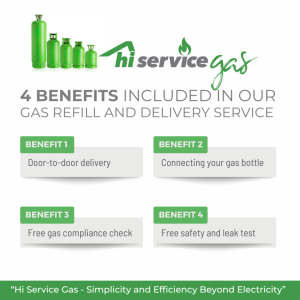
What’s Included in Our Gas Delivery Service?

Our delivery service goes beyond just dropping off gas at your property.

We take the time to:

  1. Remove your empty gas bottle and connect the full gas bottle.
  2. Perform a free gas leak test to ensure everything is safe.
  3. Do a gas compliance check so you can rest assured knowing your gas system meets the safety standards.

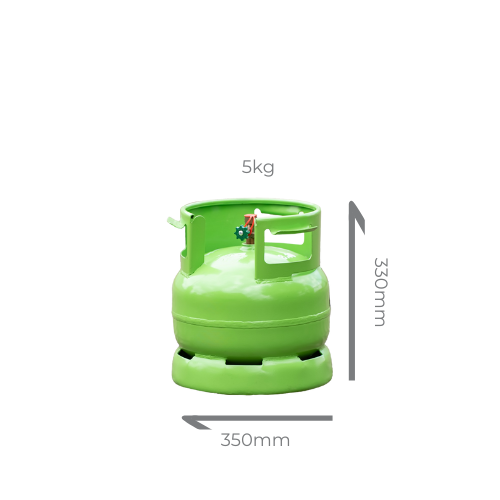
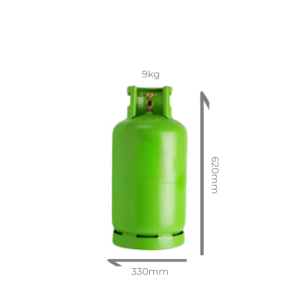
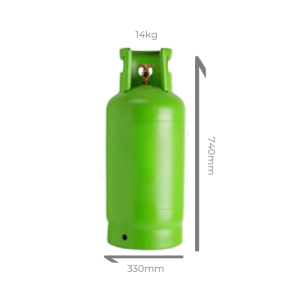
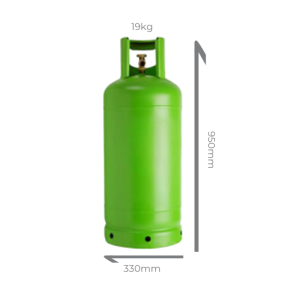
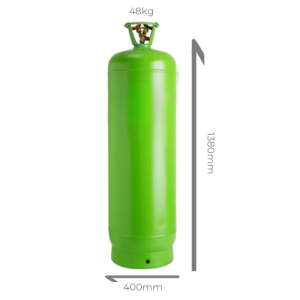
Gas bottle weight and approximate sizes are:

  • 5kg gas bottle (350mm width x 330mm height)
  • 9kg gas bottle (330mm width x 620mm height)
  • 14kg gas bottle (330mm width x 740mm height)
  • 19kg gas bottle (330mm width x 950mm height)
  • 48kg gas bottle (400mm width x 1380mm height)

For your convenience, we accept debit cards, cash, or you can order your gas online and pay via EFT.

We provide LPG refill, swap and door-to-door delivery in the following areas:

  • Somerset West
  • Strand
  • Gordon’s Bay
  • Firgrove
  • Croyden
  • Helderberg
  • Firlands
  • Kleinmond
  • Betty’s Bay
  • Pringle Bay
  • Rooi Els
  • Stellenbosch

Need gas delivered to your door?

Conveniently order gas online or WhatsApp us to schedule your next delivery.

Let us handle the heavy lifting while you enjoy the convenience of reliable, safe gas delivery.