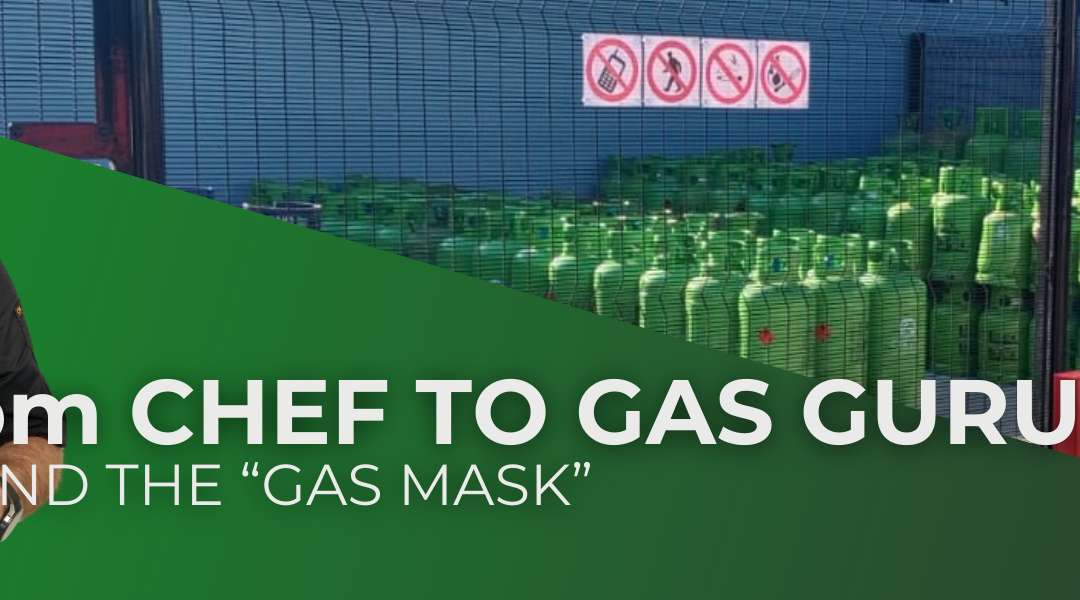
Hi Service Gas Deliveries: How It All Started with Chef Garth Morton
Hi Service Gas is a specialised division of Hi Service Solutions, and our LPG delivery department is headed up by Chef Garth Morton. You might find yourself asking: why would a professional chef who has travelled the world and starred in global reality shows trade the kitchen for gas deliveries?
Stick around to learn more about the man behind the mask—the gas mask, that is! In this post, we explore Garth’s journey from fine dining to the energy sector and provide essential tips on safety, savings, and our unique LPG swap & delivery service.
Who is Chef Garth Morton?
Before spearheading the LPG delivery division at Hi Service Gas, Garth Morton spent years as a prominent professional chef and television personality.
A Distinguished Culinary Background
Garth’s career is deeply rooted in South African food culture. He served as Head Chef at the historic Jonkershuis in Groot Constantia, where he also oversaw the Bill Gates function for Microsoft.
At The Italian Kitchen, he was the Chef Patron, during which Justin Bonello filmed one of the final episodes from season 4 of the reality TV show Cooked. Garth’s expertise further shaped the industry behind the scenes through his work as a food developer for the Deeghuys Group.
Garth on Screen
You might recognise Garth from his extensive work in food media and reality television:
- Bud House: The featured chef for Budweiser’s global 2010 FIFA World Cup series.
- Cooked in Africa: Working alongside Chef Justin Bonello, Garth was a food stylist, assistant chef and co-host for this celebrated series focused on sustainable, open-fire cooking.
- Expert Collaborations: He has prepped for international icons like Antony Worrall Thompson and Chef James Martin.
Watch Garth in Action:
- Garlic Bud Mussels – Showcasing his skills during the World Cup.
- The Italian Kitchen – A featured episode from Cooked, Season 4.
- My Heart’s in Africa Mozambique – A featured episode from Cooked, Season 3.

How Did He Get Into the Gas Deliveries Business?
The transition from the heat of the kitchen to the gas industry was driven by a desire for a better work-life balance without losing the passion for serving the community.
While the tools have changed, Garth’s motivation remains the same. He has traded the high-pressure world of film sets and professional kitchens for the energy sector, bringing the same “Head Chef” dedication to relationship-building and precision to every LPG swap & delivery service we perform.
What Services Does Hi Service Gas Offer?
We provide a comprehensive range of LPG solutions designed for the modern South African home and business:
- Reliable Gas Delivery: We proactively manage your supply so you never run out of gas mid-meal.
- Professional Gas Installations: We provide complete installation services, including issuing mandatory gas Certificates of Compliance (COCs).
- Safety Inspections: With every delivery, our technicians inspect your pipes and regulators to ensure everything is in peak condition.
- Cost Savings: Our model helps households fight rising electricity costs through efficient LPG usage for stoves, geysers, and heaters.
Is Gas Safe for Home and Business Use?
Yes, LPG is incredibly safe when handled correctly. An enzyme is added to give the gas its distinctive “rotten egg” smell, making leaks easy to detect. At Hi Service Gas, we follow strict SANS codes and safety protocols. All our staff and vehicles are certified, and we condemn any damaged or defective bottles immediately to protect our customers.
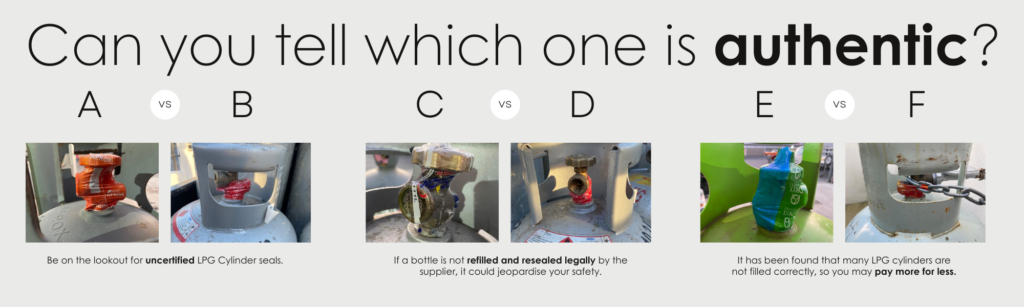
Important: Always use a registered supplier. We warn against “rogue” suppliers who fill cylinders illegally. You can learn how to identify authentic, safe gas bottles here.
Can I Install a Gas Bottle Myself?
No. DIY gas installations are not only unsafe but illegal in South Africa. Certified professionals must handle installations to ensure compliance with ventilation requirements and distance regulations.
A key safety check we perform involves the orange gas hose; these have a five-year lifespan and must be replaced even if they look “fine” on the outside.
What Makes Hi Service Gas Different?
What sets us apart from other local LPG businesses is our proactive approach. Because Chef Garth Morton understands the importance of “mise en place” (everything in its place), our team manages your usage patterns, so you don’t even have to remember to order your next bottle.
- Certified Staff: Every driver and installer is vetted and trained in handling dangerous goods.
- Comprehensive Checks: We don’t just drop a cylinder; we connect it and perform a leak test every single time.
- Community Focus: We are your neighbours, with depots in Strand and Kleinmond serving the Helderberg, Stellenbosch and Overstrand areas.

Frequently Asked Questions
How do I switch from an electric stove to gas?
Contact us for a professional assessment. We handle the entire process from the manifold to the stove connection, ensuring your kitchen is safe and compliant.
How often should gas hoses be replaced?
Every five years. Check the date stamped on your hose; if it’s older than five years, contact us for a replacement.
How do I know my gas bottle is safe?
Look for a barcoded safety seal that matches the brand of the bottle. If the seal is missing or looks tampered with, do not accept it.
Your Local LPG Partner
Whether you are roasting coffee beans for a thriving business or cooking dinner for your family, Hi Service Gas is here to fuel your passion. From LPG swap & delivery service to professional maintenance, we ensure your energy supply is the last thing you have to worry about.
Ready to experience the difference?