by HiServWebdev | Nov 20, 2024 | Gas Water Heater, Heat Pump, Solar Water Heating, Sustainable Water Heating
The countless times that I’ve seen an article about how expensive a gas geyser, heat pump, or solar water heating systems are versus electricity is astonishing. The reality is that the majority of these articles are not fact-based and relevant to individual use and property requirements in South Africa.
We can provide statistics on either side to promote our products or viewpoints, but in reality, every household or commercial property manager must provide us with their specific requirements, which include the head count and consumer habits. With that information provided, we can determine a factual calculation of the cost savings and initial layout, which include the installation and maintenance of the water heating system.
Sustainable Water Heating
When it comes to sustainable water heating, going off-grid or even just becoming a little less reliant on electricity will come down to your budget, the convenience you require, and your actual hot water usage requirements. For example, initial layout costs on solar water heating may be more expensive than a gas water heater, but the convenience of both together eliminates your reliance on the grid. If you add a heat pump for your swimming pool, you have an off-grid winner, covering all angles.
Regardless of how you look at it, when properly calculated, you will save money on your electric bill, even if you must top up your gas, pay for annual maintenance on these systems, or replace some parts every ten years.
Still, our country has a regulation that 50% of our hot water must come from a non-electrical source.(South African National Building Regulations (SANS 10400–XA) Inevitably, the majority of the homes and buildings in South Africa will have some form of green technology powering their water heating needs in the future.
So let me tell you about these systems and how they work. This will enable you to begin with the right water heating system and progressively work your way up until you can combine all of these systems for complete reliance on green energy rather than dirty grid energy.
Solar Water Heater (SWH)
A solar water heater harnesses the sun’s energy to provide the power needed to heat the water. When the solar system gathers the sun’s energy through collectors, it either heats the water directly or the heat transfer fluid. Collector plates are mounted on a north-facing roof with no shade. SWH typically includes a storage system or tank; even with pools, the pool is designated as the tank. Some systems use water-circulating pumps, whereas others do not.
The solar plates that we install are tube collectors or high-efficiency collectors.
Tube collectors are the tubes you typically find on a rooftop. High-efficiency flat plate collectors are the flat plates you’re used to seeing; they’re the typical sort of solar plate, but they’re still quite effective and less expensive. If you want technical information and drawings regarding the collectors, please see the links at the bottom of this post.
Heat Pump Water Heating (HP)
A heat pump is an efficient way to heat water by extracting warmth from the surrounding air, even in cold conditions! It consumes very little electricity while making the water piping hot. A heat pump also requires a water storage tank. It is simple to place out of sight or on the side of a wall and can be combined with solar water heaters for a zero-emission solution.
Gas Water Heater (GWH)
In South Africa, we commonly refer to it as a gas geyser, but it has also been called an instant water heater, a tankless water heater, and, most recently, a gas water heater. Gas water heaters (GWH) are no longer as dangerous as traditional GWHs, and they can provide far more hot water at the same time than before, allowing you to operate three taps at once rather than one.
- Some gas water heating systems may require a little bit of electricity to ignite the flame, and others will only require batteries.
- When a hot water tap is opened, the flame ignites instantaneously and increases the temperature to the appropriate level. Some systems include a remote control that allows you to set how much water is used to fill a bath, preventing the water from spilling or overfilling the bath. Most systems include a safety feature that will force the machine to automatically shut down when the gas depletes the oxygen level in a room that increases carbon monoxide. This safety feature therefore prevents a health hazard.
- Water is not stored in a tank, and therefore you receive instant hot water, whether it is in the bath, shower, or your kitchen basin.
- In previous years, gas water heating systems larger than 16 l/m had to be installed on the outside of a property but today we have gas geyser units with a balanced flue, which allows bigger sizes gas water heaters to be installed inside the property.
Side Note: A balance flue pulls in fresh air and releases the hot air or burned gasses to the outside.
- All permanent gas water heater installations that have a fixed gas supply line must be done according to regulation by a qualified gas installer, and a gas coc must be provided to the customer.
- A gas water heater must be serviced at least once a year and can easily last up to 10 years before it needs to be replaced. Some parts may be replaced to ensure the system remains optimal and safe.
Final Thoughts about a Gas Geyser, Heat Pump, or Solar Water Heating
Will you save an unfathomable amount of money on your electrical bill vs. your gas bill? Will you save a great amount of money on buying and installing a gas geyser, heat pump, or solar water heating system vs. your electrical geyser plus maintenance or replacement costs?
As much as I’d love to give you the sales pitch to persuade you of excessive savings, I won’t.
Yes, you will save money, but the amount you save is entirely up to you and depends on your lifestyle. What you will get in return is comfort, always having hot water for everyone, being able to heat your pool without worrying about Eskom’s next increase and having a little extra money to spend on making great memories with your family, renovating your home, or spoiling your employees. And, undoubtedly, you will not use the ESP app to keep track of any loadshedding schedule because you will not need to plan ahead of time.
We are all working to move away from using energy that is harmful to the environment, and installing a gas water heater, heat pump, and solar water heater will bring us one step closer to a world with fewer harmful contaminants that contribute to global warming.
Please contact us to survey your property and quote you on the correct system for all your needs at your property. This allows us to provide you with accurate figures that you can use before installing your sustainable water heating system.
Shop Solar Water Heating
Shop Heat Pumps
Shop Gas Water Heating
Further Supporting Articles:

by HiServWebdev | Nov 5, 2024 | Gas Delivery
Getting gas delivered to your home has never been easier, thanks to Hi Service Gas. Whether you need a gas refill for your stove, heater, or geyser, we’ve got you covered. We provide reliable LP gas delivery, gas refill, and gas bottle swap services across the Helderberg, Overstrand, and Stellenbosch areas of the Western Cape, ensuring you always have the gas you need to keep your home running smoothly.
What’s Included in Our Gas Delivery Service?
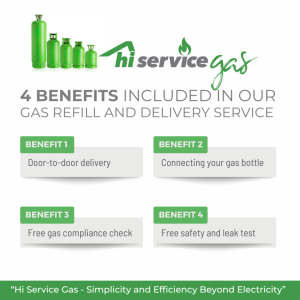
Our delivery service goes beyond just dropping off gas at your property.
We take the time to:
- Remove your empty gas bottle and connect the full gas bottle.
- Perform a free gas leak test to ensure everything is safe.
- Do a gas compliance check so you can rest assured knowing your gas system meets the safety standards.
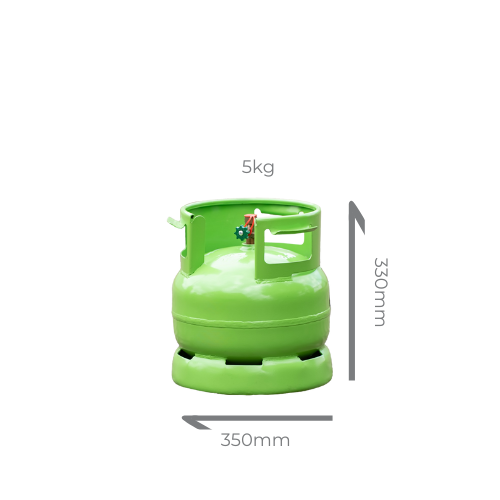
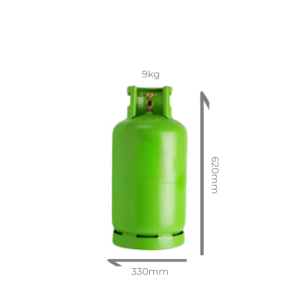
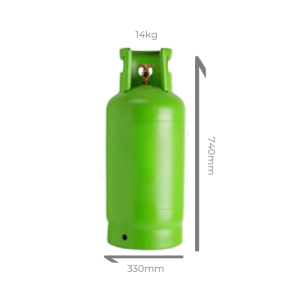
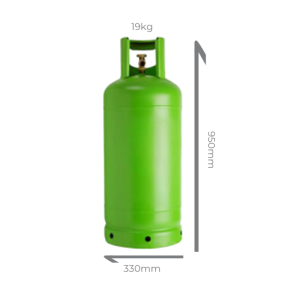
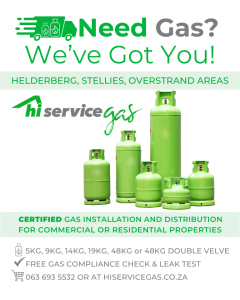
Gas bottle weight and approximate sizes are:
- 5kg gas bottle (350mm width x 330mm height)
- 9kg gas bottle (330mm width x 620mm height)
- 14kg gas bottle (330mm width x 740mm height)
- 19kg gas bottle (330mm width x 950mm height)
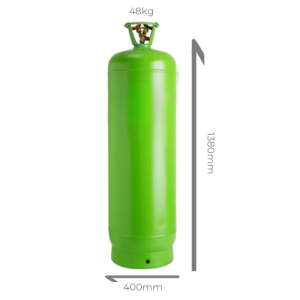
- 48kg gas bottle (400mm width x 1380mm height)
For your convenience, we accept debit cards, cash, or you can order your gas online and pay via EFT.
We provide LPG refill, swap and door-to-door delivery in the following areas:
- Somerset West
- Strand
- Gordon’s Bay
- Firgrove
- Croyden
- Helderberg
- Firlands
- Kleinmond
- Betty’s Bay
- Pringle Bay
- Rooi Els
- Stellenbosch
Need gas delivered to your door?
Conveniently order gas online or WhatsApp us to schedule your next delivery.
Let us handle the heavy lifting while you enjoy the convenience of reliable, safe gas delivery.

by HiServWebdev | Jul 31, 2024 | Gas Appliances
Is using gas appliances a truly effective alternative energy solution in South Africa? What are the cost implications of LPG vs. electricity? Can my gas appliances integrate effectively with my solar power?
These are some of the most frequently asked questions we receive from companies or homeowners who are interested in becoming more environmentally friendly, reducing expenses on their electricity bill, or becoming independent.
Consequently, an article seemed appropriate to address these critical questions.
Are gas appliances an effective alternative energy solution?
Absolutely.
- Gas appliances, first and foremost, operate on the cleanest fossil fuel, they emit the lowest carbon footprint and are recognised as the more environmentally friendly than conventional fossil fuels.
- Typically, using gas replaces the use of coal-based electricity. Coal has an extremely high carbon footprint. However, some gas appliances mostly require electricity for ignition and nothing after that. Alternative solutions will be explored in the solar section of this article. It’s worth noting that the small amount of electricity that some gas appliances use is still profoundly less than running an electric geyser, stove, or heater, for example.
- As long as you have gas in the cylinder, you have energy to power your appliances, and therefore, you are not bound by whether or not the grid is operational.
A transformer recently exploded, resulting in a day of darkness in the Helderberg region of the Western Cape. In the midst of a frigid, rainy winter day, this promptly had adverse effects on cooking, bathing, and home heating. This would no longer be a concern with LPG appliances.
What are the cost implications of LPG vs. electricity?
According to Daily Maverick’s article – Eskom wants an increase in electricity tariffs of up to 44% next year. If Nersa approves the proposal, then this will be implemented as early as April 2025.
Considering an increase of that proportion, there’s absolutely no doubt that LPG vs. electricity will be exponentially lower, but we live in the present, not the future. We do, however, plan for the future, so now would be the best time to buy gas appliances and get them installed.
However, the response to the question will be contingent upon the appliances installed and the household’s usage. As an illustration, the Paloma 26 litre EcoMax gas geyser utilises less gas than certain gas geysers that are more affordable. Furthermore, there are several additional variables to evaluate, including:
- Household Size and Consumer Habits: The amount of hot water used daily and the number of people in the household.
- Number of Kitchens and Bathrooms: More facilities mean higher usage.
- Cooking Habits: Frequency of cooking dishes such as stews vs. stir-frying.
It is advisable to consult a certified gas installer to evaluate your individual requirements and budget, ensuring efficient usage and cost-effectiveness.
Can my gas geyser integrate effectively with my solar water heating system?
Yes. Our Paloma gas geysers seamlessly integrate with most solar water heating systems without using a solar-to-gas valve, whereas others are restricted.
Can my gas appliances integrate effectively with my solar power?
Yes. Most gas appliances can. Gas hobs and stoves will need them for ignition purposes. Gas geysers like the Paloma will use them to run electronics and fans within the unit using only 60watts when in operation.
If you want some more details about specific gas appliances, feel free to read any of the following articles:
Not only are gas appliances an effective alternative energy solution, but it is also a permanent replacement for grid based energy that will power your home or building at any time and any season. Just remember to order your gas on time or keep a spare gas bottle on your premises. Gas has the ability to run out at the most inconvenient times.
Remember, we supply gas appliances, we install gas appliances, we provide a gas certificate of compliance, and we refill and deliver gas to your door.
Call Hi Service Gas; you’re all-in-one gas supplier.
by HiServWebdev | Jul 2, 2024 | Gas COC, Gas Installations, LPG Rules and Regulations
Working with LPG is a significant responsibility, and as a result, South Africa has a set of rigorous rules, standards and regulations that must be adhered to. These regulations are mainly designed to adhere to industry safety standards and to protect you as an end user of any gas appliance. Receiving a gas certificate of compliance for any fixed gas line and gas appliance installations is a component of these regulations.
In this article, we are taking a brief look at the basic safety regulations surrounding a gas certificate of compliance and why they are important.
What is a gas certificate of compliance?
The short answer is that it ensures all gas installations and appliances are safe and, as a result, comply with the South African National Standard (SANS).
To quote the South African Qualification and Certification Committee (SAQCC): “According to the regulations that were introduced in 2009, all gas installations must have a Certificate of Compliance (COC) according to the Pressure Equipment Regulations that have been promulgated under the Occupation Health and Safety Act (No 85 of 1993) – effectively stating that the installation has been properly inspected and is determined to be safe and leak free.”
What is a fixed gas supply?
A fixed gas supply is the gas line that is installed with your gas geyser, gas fireplace, or a built in gas hob, or gas stove. The most straightforward method of comprehending the concept of a fixed line is to note that it is not feasible to detach it and take it camping. It is not portable and cannot be transported. When an LPG supply line is not permanently installed, the orange pipe is typically connected directly to the gas hob, and both are transportable or moveable.
When do you need a gas certificate of compliance?
You need a gas certificate of compliance when you:
- Make a change or adjustment on a fixed gas line installation.
- When you change a gas appliance.
- When you add gas appliances.
- Sell and transfer properties that have a fixed gas line and gas appliances.
What basic rules and regulations apply to gas installations?
General LPG regulations:
- Maximum LPG Allowed per property:
- Up to 9kg is allowed inside an apartment.
- Up to 19kg is allowed inside a freestanding house.
- Up to 100kg is allowed outside a building on any earth but this may be subject to the local municipal bylaws which differ from area to area.
- If an excess of 100 kg must be stored on your premises, a special application will have to be submitted at your local Fire and Safety Department. (See image with more details here.)
- LPG gas hoses to connect to cylinders must be replaced at every 5 years or sooner if they show any cracks in the surface.
- Regulators may not be older than 10 years.
- All gas appliances and installations should be inspected for leaks and safe operation every 12 months.
- Only SABS approved appliances with a valid permit number (LPGSA safe appliance verification)
Regulations for gas fix supply:
- Must be installed by an accredited LPG service provider.
- LPG bottle must be placed on a solid and stable surface.
- Must never be placed in a garage.
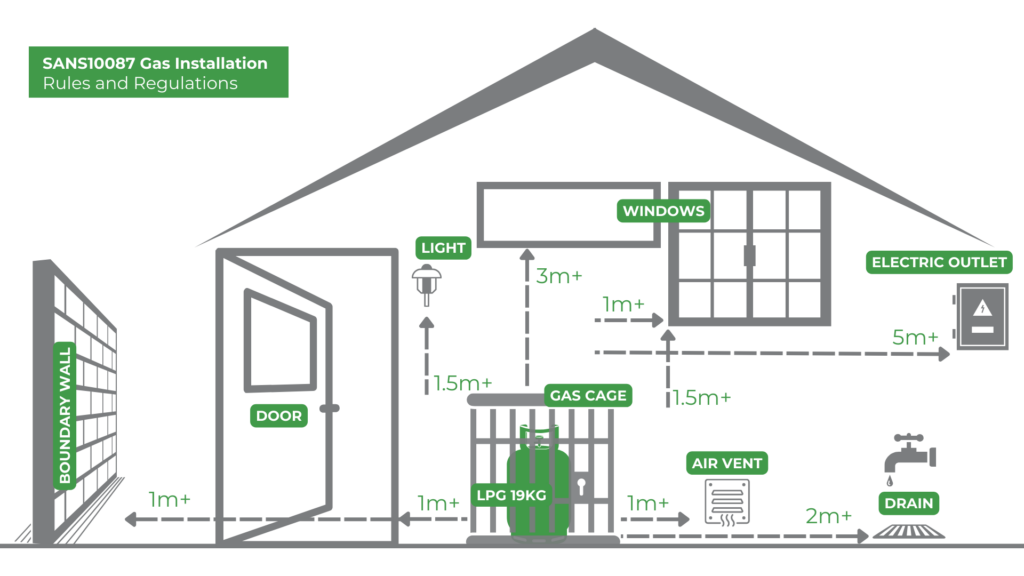
- See the image for the safety distances outside:
- No less than 1 metre sideways from doors and windows (unless a boundary wall is installed).
- No less than 1 metre from an air vent.
- No less than 2 metres from drains, manholes or pits.
- No less than 3 metres below windows unless a non-combustible roof (corrugated roofing or nutec boards) has been installed between the gas bottles and the bottom of the window may be reduced to 300mm.
- If a non-combustible roof is installed, it may be reduced to no less than 1.5 metres.
- No more than 2 cylinders are used, no less than 1 metre from the property boundary wall unless it is a fire wall, in which case the cylinders may be placed directly against the boundary.
- No less than 5 metres sideways away from an electrical source such as an electrical point, plug switch, socket, electrical motor, or pool pump etc.
Any outdoor light, no less than 1.5 metres above the gas cylinder valve.
For more regulations with the City of Cape Town, please find them here.
Regulations for gas hob and stove installations:
- Install appliances on a firm, solid, and level foundation.
- Do not install a gas appliance in a strong draught that will extinguish a burner set on a low flame.
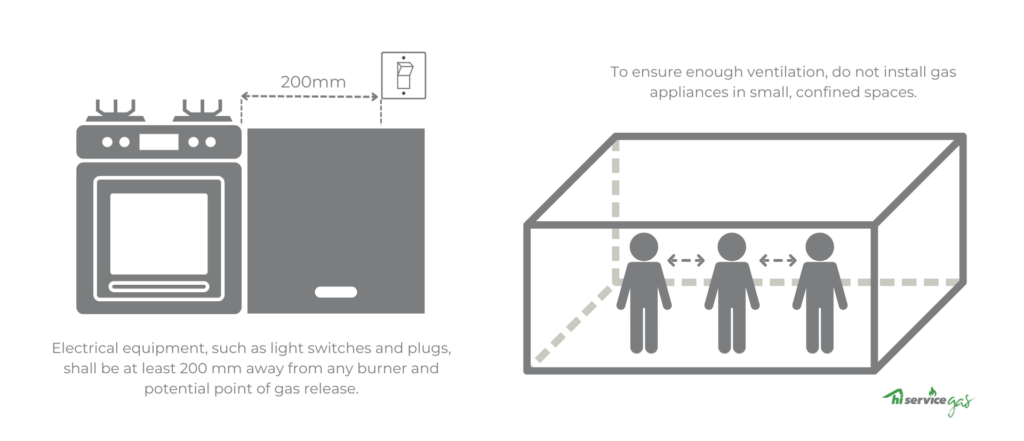
- To ensure enough ventilation, do not install gas appliances in small, confined spaces.
- Ensure that the gas appliances are not situated in a space where combustible furnishings or ignitable materials can be set on fire. For example, gas hobs cannot be installed near curtains or cleaning materials.
- Electrical equipment, such as light switches, stove isolator and plugs, should all be at least 200 mm away from any burner and potential point of gas release.
See more images here.
You can further your knowledge of South African rules and regulations for successful gas appliance installations in our blog here.
What will a gas compliance certificate cost?
We cannot speak for other companies, but at Hi Service Gas, a gas compliance certificate inspection costs R661.25
If any repairs or modifications are necessary, we will provide a quote. Once the gas line or appliances have been brought up to standard, we can proceed with issuing the gas COC.
(*rate provided in June 2024 – subject to change.)
How will I receive a gas COC?
Once a full inspection has been concluded and all tests have been passed, you will receive a gas COC.
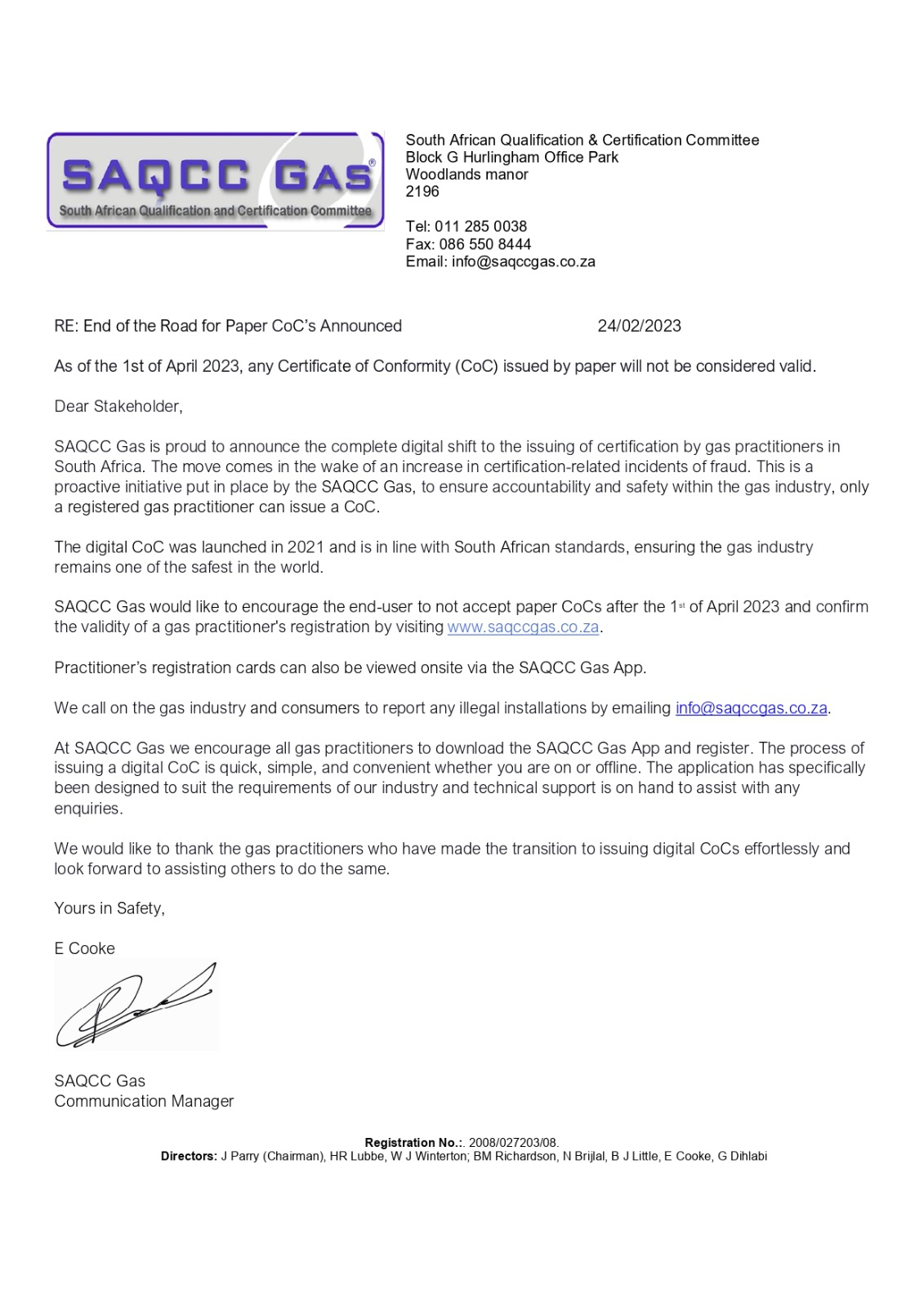
Gas COCs are no longer issued in paper format but are now directly issued online via e-mail. You can read the information in this letter by the SAQCC.
What must I do if my gas appliances or gas lines are not compliant?
Ask a registered gas installation company to fix all the issues, make the changes and repairs where required. The licenced LPG installation professionals will then automatically provide the COC after the repairs are completed.
Safety Tip: You should never attempt to fix gas-related issues yourself.
Hi Service Gas is certified and has vast experience to assist with residential and commercial gas COC inspections, gas compliance certificates, gas installations, SABS approved gas appliances, and repairs.
Call us when you need great gas.
Hi Service Gas – Simplicity and Efficiency Beyond Electricity.
This article was written by a human.

by HiServWebdev | May 28, 2024 | Gas Appliances, Gas Geyser, Gas Installations, Geysers
Tankless gas geysers used to be the tiny box you used to get instant heat when you washed dishes in the kitchen, but technology has advanced so dramatically that you can run an entire hot water system for a hotel from gas geysers only. Gas geyser installations are popular in South Africa because of three key factors: the drive for energy independence, environmental responsibility, and cost savings.
Liquefied petroleum gas (LPG) offers a compelling alternative to other heating systems. Unlike solar, it doesn’t require expensive upkeep or battery backups. Certain models also function independently of the national grid, providing hot water even during power outages. And when it comes to fossil fuels, LPG boasts the cleanest burning profile.
This article delves deeper into the world of gas geysers, exploring their numerous benefits, helping you determine the right size unit for your building, and recommending a reliable brand to consider.
What are the benefits of gas geysers?
- The system is tankless, meaning the gas geysers do not store and reheat water like traditional electrical geysers.
- Instant hot water on-demand.
- The water pressure is stable.
- Reduced cost vs. an electric geyser.
- Energy efficiency.
- Reduced carbon footprint.
- Selected models are off-grid; therefore, power outages do not interrupt heating water. For others, a backup power system is available.
- Flame-failure safety technology ensures safe use.
- A compact, space-saving design to fit neatly against the wall, whether it is an internal or external installation.
- It is covered by insurance if the gas geyser installation is done by a gas-certified business.
What size gas geyser should be installed to meet your requirements?
Here’s a brief overview, but we are happy to provide a free quote tailored to your water heating needs for any property size.
Commercial use
For commercial applications, we can install systems such as combining 10 x 26-litre geysers connected to the water supply. This setup ensures instant hot water for your employees or guests.

Here’s a chart for household or domestic use
- 5l Gas Geyser: One Basin (Great for camping)
- 8l Gas Geyser: One Basin or Shower
- 10l Gas Geyser: One Basin or Shower
- 12l Gas Geyser: One Basin and Shower
- 16l Gas Geyser: One Basin, Bath and Shower
- 20l Gas Geyser: One Kitchen and One to Two Bathrooms
- 26l Gas Geyser: One Kitchen and Two to Three Bathrooms
- 32l Gas Geyser: One Kitchen and Three to Four Bathrooms
Which gas geyser brand is the most reliable?
Hi Service Gas prioritises quality and customer satisfaction. We offer a variety of “Tested and Trusted” brands, ensuring reliability, good after-sales service, and part availability. We even extend warranties beyond manufacturer guarantees.
Top Brands for Different Needs:
- Paloma (Japan): Our top seller, known for comfort, longevity, and a great warranty.
- Dewhot: Affordable and economical option.
- Typhoon: Offers additional technological features.
Paloma is a well-known high-end gas geyser brand.
For today’s discussion, we will provide details and specifications about Paloma gas water heating systems to provide a greater understanding of what a gas geyser installation will bring to your table.

- Supplies: One kitchen, one to two bathrooms
- Installation: Type D Outdoor Wall Mounted
- Water Operating Pressure: 0.80 to 10 Bar
- Water Temperature Range: 37°C–75°C
- Flow Rate: 20 l/min
- Power Supply: AC 240V
- Solar Compatible: Yes
- Energy Efficiency: Up to 87% (6 star rating)
- Remote Control: Yes up to 25 metres
- Back-Up Power: Lithium Battery, sold separately
- Size: 520mm (H) x 355mm (W) x 187mm (D)
- Maintenance Required: Every 2 Years Limited Service, 5 Years Major Service
- Warranty:
- Domestic: 10 Year warranty on copper heat exchanger; 3 Year warranty on gas components; 3 Year on water components; 1 Year on electrical components.
- Commercial: 1 Year on all parts and components
- Supplies: One kitchen, two to three bathrooms
- Installation: Type D Outdoor Wall Mounted
- Water Operating Pressure: 0.80 to 10 Bar
- Water Temperature Range: 37°C–75°C
- Flow Rate: 26 l/min
- Power Supply: AC 240V
- Solar Compatible: Yes
- Energy Efficiency: Up to 87% (6 star rating)
- Remote Control: Yes up to 25 metres
- Back-Up Power: Lithium Battery, sold separately
- Size: 520mm (H) x 355mm (W) x 187mm (D)
- Maintenance Required: Every 2 Years Limited Service, 5 Years Major Service
- Warranty:
- Domestic: 10 Year warranty on copper heat exchanger; 3 Year warranty on gas and water components; 1 Year on electrical components.
- Commercial: 1 Year on all parts and components
Embrace Efficiency and Freedom with Gas Geysers
Gas geysers offer a compelling combination of benefits for South Africans. Their on-demand hot water, energy efficiency, and ability to function off-grid make them ideal for those seeking independence, lower costs, and a reduced environmental impact. From reliable brands like Paloma to various sizes for any need, gas geysers empower you to enjoy the comfort of hot water while aligning with South Africa’s drive for a more sustainable future.
Extra Resources and Downloads: