by WebDevInt | May 23, 2026 | Certified Gas Installers, Gas COC, Gas Delivery
When a commercial kitchen’s gas usage suddenly spikes, it’s rarely a coincidence. One of our restaurant clients in Somerset West experienced exactly that: their weekly consumption jumped from a stable 4 x 48kg cylinders to 6–8 x 48kg cylinders — with no changes to trading hours, menu, or equipment. For a business operating on tight margins, that kind of increase is not just unusual. It’s unsustainable.
This is the story of how we found the problem, fixed it, and helped them return to normal usage — even better than before.
If you prefer watching instead of reading, there’s also a short video version of this case study available.
What Changed? Why Was Gas Usage Climbing So Quickly?
The first red flag appeared during delivery:
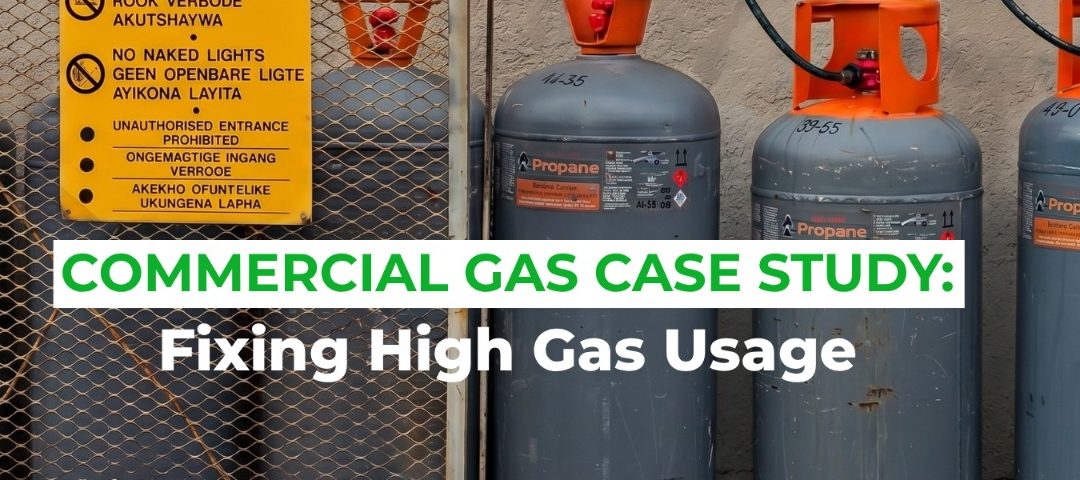
The cylinders were freezing at the base.
Cylinder freezeup is a classic sign of excessive drawoff when appliances demand more gas than the LPG mixture can vaporise at once. When this happens, pressure drops, equipment underperforms, and the system compensates by pulling even harder.
To understand the cause, we conducted a full onsite commercial gas audit.

What Did the Gas Audit Reveal?
The culprit was hiding in plain sight:
The fryer was drawing so much gas on startup that the rest of the kitchen couldn’t reach full operating potential.
Every time the fryer switched on:
- The system experienced a sudden surge in demand
- LPG couldn’t vaporise fast enough
- Cylinders froze
- Pressure dropped
- Other appliances struggled
- Gas usage skyrocketed
This is a common issue in busy commercial kitchens, but it often goes unnoticed until the gas bill doubles.
How Do You Fix a High DrawOff Problem Without Rebuilding the Entire Gas Bank?
Instead of recommending an expensive upgrade to the gas bank or a full kitchen reconfiguration, we applied a smarter, more costeffective solution first:
We switched the restaurant from LPG to pure propane.
Why propane?
- Propane vaporises more efficiently under heavy load
- It prevents freezeups during peak demand
- It delivers consistent pressure for commercial equipment
- It avoids unnecessary capital expenditure
- It allows us to test performance before considering structural changes
LPG is a propanebutane mix designed for residential use.
Propane is the better choice for highdemand commercial kitchens that need reliable, highvolume drawoff.
Did It Work? What Happened After Switching to Propane?
After one month on propane, the results were clear:
- Gas usage stabilised at 3 to 4 x 48kg cylinders per week
- No more cylinder freezeups
- All equipment reached full operating potential
- No downtime, no disruptions, no costly rebuilds
In other words:
They returned to normal and even improved on their original usage.
What If Propane Hadn’t Solved the Problem?
For commercial clients, we follow a structured escalation path:
- Commercial gas audit to establish the exact cause.
- Switch to propane if it presents to be the best first step for high drawoff issues, or
- Increase the size of the gas bank to support higher vaporisation.
- Install a commercial vaporiser for largescale, continuous demand.
In this case, propane was the perfect fit – efficient, reliable, and costeffective.
Why Does a Gas Audit Matter for Commercial Kitchens?
Because small issues become expensive problems – fast.
If your restaurant, bakery, hotel, or industrial kitchen is suddenly:
- Using more gas than usual
- Experiencing inconsistent flame strength
- Seeing cylinders freeze
- Struggling to reach temperature
- Noticing equipment underperforming
Then something in the system is working harder than it should.
A targeted gas audit can identify the issue quickly, and often the solution is far simpler and cheaper than expected.
Need to Reduce Your Commercial Gas Usage? We Can Help.
Hi Service Gas specialises in diagnosing and resolving commercial LPG challenges across the Western Cape. Whether you’re dealing with high usage, pressure loss, freezeups, or equipment performance issues, we can help you find the problem — and fix it.
Get in touch and let us help you get back to normal.

by HiServWebdev | Apr 4, 2024 | Certified Gas Installers, Gas COC, Gas Installations, LPG Rules and Regulations
Ensuring adherence to rules and regulations is of the utmost importance when operating in the dynamic building and construction industry in South Africa. Among the many considerations, the installation of gas appliances demands meticulous attention.
In this article, we delve into the rules and regulations governing successful gas appliance installations, providing essential insights for Quantity Surveyors, Architects and Construction Managers and Building Contractors.
Understanding the Legal Framework
To ensure safety and effectiveness, various statutes and standards govern the installation of gas appliances in South Africa. The Pressure Equipment Regulations (PER) and the Occupational Health and Safety Act (OHSA) are the primary legal frameworks guiding LPG installations. Additionally, adherence to the South African National Standards (SANS) is imperative, particularly SANS 10087, which specifies requirements for the design, installation, and maintenance of gas systems.
“SAQCC regulations impact gas installations by ensuring that all gas practitioners are registered with the South African Qualification Certification Committee for Gas (SAQCC Gas) and that installations meet the criteria outlined in the Pressure Equipment Regulations (PER). Failure to comply with these regulations can result in illegal installations, which pose a risk to users and can lead to serious consequences for those responsible [1] [2].”
Key Considerations for Gas Appliance Installations
1. Gas Compliance Certification:
Gas installations must be certified compliant by registered gas practitioners. This involves obtaining a Certificate of Compliance (COC), which validates the safety and legality of the installation. You can verify the COC’s authenticity and ensure it accompanies any gas appliance installation.
2. Construction Site Assessment:
Before installation, thorough site assessments must be conducted to identify potential hazards and ensure adequate ventilation and space for appliances. Compliance with zoning and building regulations is crucial, requiring coordination between you and relevant authorities.
1. Importance of Gas Safety: The process of obtaining a Certificate of Compliance ensures that gas appliances are installed correctly and safely, protecting both the property and its occupants from potential hazards.
2. Role of Building Contractors: Building contractors play a key role in ensuring that all necessary safety measures are taken during the installation process, including conducting site assessments and obtaining relevant certifications.
3. Collaboration with Quantity Surveyors: Quantity surveyors are involved in assessing the cost implications of gas appliance installations, including any necessary upgrades to meet compliance standards, ensuring that projects remain within budget while adhering to safety regulations.
4. Legal Requirements for Gas Installations: Compliance with zoning and building regulations is essential for all gas installations to prevent accidents and ensure the longevity of appliances. Contractors must work closely with authorities to obtain the necessary permits and approvals.
5. Ongoing Maintenance and Inspections: Once gas appliances are installed, regular maintenance checks and inspections should be conducted to ensure continued safety compliance. Property owners should prioritise scheduling these services to avoid any potential risks or issues down the line.
3. Quality Materials and Equipment:
Gas appliances and associated materials must meet SANS standards to guarantee durability, efficiency, and safety. You should ensure that only certified products are used in installations, mitigating the risks of leaks or malfunctions. Failure to adhere to these standards could result in serious safety hazards for the occupants of the building.
4. Proper Ventilation:
Adequate ventilation is essential to prevent the accumulation of combustible gases, safeguarding occupants against potential hazards. You must ensure that ventilation systems comply with SANS specifications, considering factors such as airflow rates and proximity to ignition sources.
Additionally, proper ventilation can also help maintain indoor air quality and prevent the buildup of harmful pollutants. It is crucial for you to regularly get the ventilation systems inspected, maintained, or serviced to ensure they are functioning effectively.
5. Gas Installation by Qualified Professionals:
Only registered gas practitioners with the necessary training and certifications should perform gas installations. Quantity surveyors play a pivotal role in overseeing contractor qualifications and ensuring competence and adherence to regulatory standards.
6. Insurance Gives Assurance:
Ultimately, for the end user, it is imperative to comply with the necessary standards and regulations to ensure that the client or property owner remains insured. If something is not within the legal framework and an explosion happens or the property burns down from a faulty gas installation, insurance may not cover the damages.
For this reason, when it comes to installing certified gas appliances and gas appliance installations, it is imperative that you work with qualified professionals who adhere to all safety standards and legislation in South Africa. By doing so, property owners can have peace of mind, knowing that their insurance will protect them in the event of any unforeseen accidents related to liquid petrolium gas installations.
In adherence to the LPGas Safety Association of Southern Africa (LPGasSA) guidelines, you must prioritise safety and compliance throughout gas appliance installations. Regular inspections and maintenance are essential to uphold safety standards and extend the lifespan of gas systems. Additionally, continuous professional development is encouraged to stay abreast of evolving regulations and technologies in the gas industry.
It is therefore critical to outsource the entire gas installation project, from inception to completion, to a registered and experienced gas installation company. This will ensure that all work is completed safely and up to code.
In South Africa’s Building and Construction industry, individuals engaged in the development and construction of properties that incorporate LPG must possess a comprehensive understanding of the policies and guidelines that govern the installation of gas appliances. By adhering to legal frameworks, conducting thorough assessments, and collaborating with qualified professionals, you can ensure the safety, efficiency, and compliance of gas installations.
Upholding these standards not only safeguards occupants and properties but also enhances the reputation and professionalism of professionals within the industry.
